
Introduction
Information Technology Systems have become an essential part of modern life and business. From small companies to large international organizations, businesses rely on technology to store information, communicate with customers, manage operations, and make better decisions. An Information Technology System combines hardware, software, networks, data, and people to collect, process, store, and share information efficiently.
As digital transformation continues to expand, organizations are investing heavily in reliable and secure IT systems. Technologies such as cloud computing, artificial intelligence, cybersecurity, big data, and automation are changing the way businesses operate. Understanding Information Technology Systems is therefore important for anyone interested in modern technology and the future of digital business.
What Are Information Technology Systems?
An Information Technology System is a combination of technological components designed to manage and process information. These systems help organizations collect data, convert it into useful information, store it securely, and make it available to authorized users.
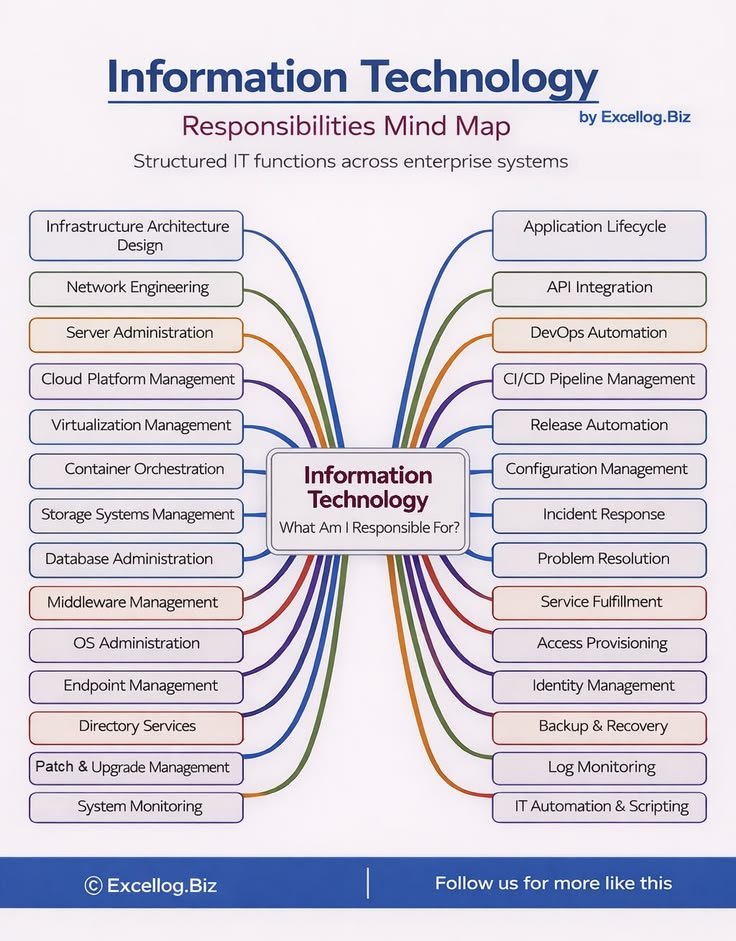
A typical IT system may include computers, servers, databases, software applications, communication networks, cloud platforms, and security tools. Human users and IT professionals are also an important part of the system because technology needs people to operate, manage, and improve it.
Main Components of an IT System
Information Technology Systems consist of several interconnected components.
1. Hardware
Hardware includes the physical equipment used to operate an IT system. Examples include desktop computers, laptops, servers, storage devices, printers, routers, and networking equipment.
Modern organizations may also use specialized hardware for data centers, artificial intelligence, cybersecurity, and high-performance computing.
2. Software
Software provides instructions that allow hardware to perform specific tasks. Operating systems, business applications, database software, productivity tools, and security programs are common examples.
Business software can help organizations manage accounting, customer relationships, inventory, human resources, sales, and communication.
3. Data
Data is one of the most valuable resources within an IT system. Organizations collect information about customers, products, transactions, employees, and business operations.
When properly analyzed, raw data can provide useful insights that help organizations make informed decisions and improve performance.
4. Networks
Networks allow computers and other devices to communicate and share information. Local area networks, wide area networks, wireless networks, and the internet are widely used in modern IT environments.
Reliable networking is essential for cloud services, remote work, online communication, and digital business operations.
5. People
Technology alone cannot create an effective IT environment. Employees, system administrators, developers, cybersecurity specialists, managers, and other users all play important roles in operating and maintaining IT systems.
Types of Information Technology Systems
Different organizations use different types of IT systems according to their requirements.
Business Information Systems
Business information systems help organizations manage everyday operations. They can support accounting, sales, inventory management, customer service, and employee management.
Management Information Systems
Management Information Systems provide managers with useful reports and information for planning and decision-making. They transform operational data into meaningful business insights.
Database Management Systems
Database systems allow organizations to store, organize, retrieve, and manage large amounts of information. They are widely used by banks, hospitals, educational institutions, e-commerce platforms, and government organizations.
Enterprise Resource Planning Systems
Enterprise Resource Planning systems integrate different business functions into a unified platform. They can connect areas such as finance, supply chain, human resources, manufacturing, and sales.
Customer Relationship Management Systems
CRM systems help businesses manage customer information, interactions, sales activities, and support services. They can improve customer relationships and help companies understand customer needs.
Role of Cloud Computing in IT Systems
Cloud computing has significantly changed the way organizations build and manage IT systems. Instead of maintaining all infrastructure on physical servers, businesses can use cloud platforms to access computing power, storage, databases, and applications over the internet.
Cloud technology can provide flexibility, scalability, and easier access to digital resources. It is particularly valuable for organizations that need to support remote employees and rapidly changing workloads.
Artificial Intelligence and IT Systems
Artificial intelligence is becoming an important component of modern Information Technology Systems. AI can analyze large amounts of data, automate repetitive tasks, identify patterns, and support decision-making.
Businesses are increasingly using AI-powered systems for customer support, cybersecurity, data analysis, content processing, forecasting, and automation.
The combination of AI and IT infrastructure is expected to create more intelligent and efficient digital environments in the coming years.
Importance of Cybersecurity
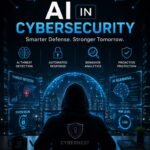
As organizations become more dependent on technology, cybersecurity has become a critical part of every IT system. Cyberattacks, data breaches, malware, phishing, and unauthorized access can cause significant financial and operational damage.
Modern IT systems use technologies such as encryption, firewalls, multi-factor authentication, access controls, monitoring systems, and security software to protect information and digital infrastructure.
Organizations must also educate employees because human mistakes can create serious security risks.
Benefits of Information Technology Systems
Effective IT systems provide numerous benefits to organizations, including:
- Faster communication and information sharing
- Improved business productivity
- Better data management
- More accurate decision-making
- Reduced manual work
- Improved customer service
- Greater operational efficiency
- Support for remote work
- Better collaboration between teams
- Enhanced data security
These advantages allow businesses to respond more quickly to customer needs and changing market conditions.
Challenges of Modern IT Systems
Despite their benefits, IT systems also create challenges. Cybersecurity threats are increasing, technology infrastructure can be expensive, and organizations need skilled professionals to manage complex systems.
Data privacy is another major concern. Companies must ensure that sensitive information is collected, stored, and processed responsibly.
Technology also changes rapidly. Organizations need to regularly update their systems and train employees to remain competitive.
The Future of Information Technology Systems
The future of IT systems will be strongly influenced by artificial intelligence, cloud computing, automation, edge computing, advanced cybersecurity, and data analytics.
AI-powered systems are expected to become more capable of making predictions and assisting with complex business processes. Cloud and edge technologies will provide faster access to computing resources, while automation will reduce repetitive work.
Organizations that successfully combine these technologies with strong security and effective management will be better positioned for the digital future.
Conclusion
Information Technology Systems are the foundation of modern digital operations. By combining hardware, software, data, networks, and people, these systems allow organizations to communicate, manage information, automate processes, and make better decisions.
As technology continues to evolve, IT systems will become increasingly intelligent, connected, secure, and automated. Businesses that invest in reliable IT infrastructure and continuously adapt to emerging technologies can improve efficiency, strengthen security, and create new opportunities in the digital economy.