Digital Transformation: How Technology Is Reshaping Businesses in 2026

Digital transformation has become one of the most important technology priorities for organizations in 2026. Businesses across industries are adopting cloud computing, artificial intelligence, automation, data analytics, cybersecurity, and connected digital platforms to improve how they operate and serve customers.
Digital transformation is not simply about replacing old technology with new software. It involves changing business processes, improving customer experiences, using data more effectively, and creating more flexible and technology-driven organizations.
What Is Digital Transformation?
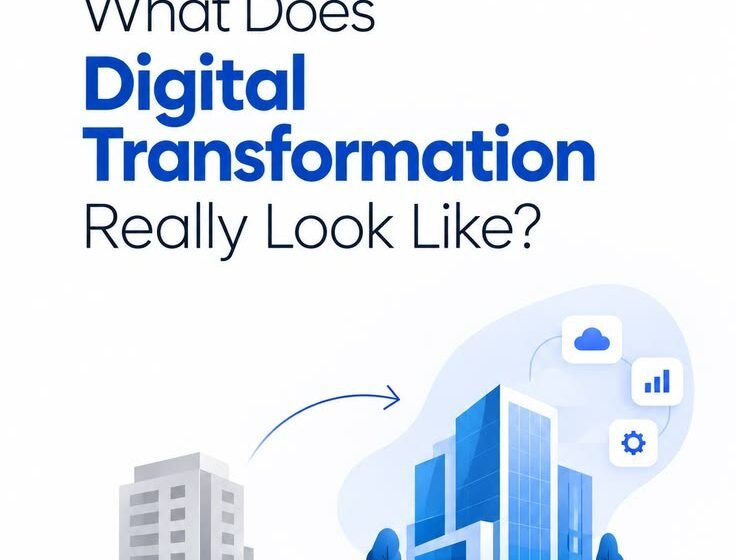
Digital transformation is the process of using digital technologies to improve business operations, customer experiences, decision-making, and overall organizational performance.
It can include moving systems to the cloud, automating repetitive tasks, implementing artificial intelligence, improving cybersecurity, modernizing IT infrastructure, and creating digital services for customers.
The objective is to use technology as a strategic part of the business rather than treating it as only an operational tool.
Why Digital Transformation Matters in 2026
Businesses are operating in an increasingly digital environment. Customers expect faster services, personalized experiences, secure transactions, and convenient access to products and information.
At the same time, organizations need to manage growing amounts of data and respond quickly to changing market conditions.
Digital transformation can help businesses build more flexible operations while improving the way employees, customers, and technology interact.
Artificial Intelligence and Digital Transformation
Artificial intelligence is becoming an important component of modern digital transformation.
AI can help organizations analyze information, automate workflows, support customer service, detect patterns, and assist employees with complex tasks.
AI agents are also expanding the possibilities of business automation by helping complete multi-step digital workflows.
As AI technology continues to develop, organizations are increasingly looking at how intelligent systems can become part of their broader digital transformation strategies.
Cloud Computing and Digital Transformation
Cloud computing provides organizations with scalable infrastructure and digital services without requiring every system to operate on traditional on-premises infrastructure.
Cloud platforms can support data storage, software applications, artificial intelligence, analytics, collaboration, and remote work.
For many organizations, cloud adoption is an important foundation for broader digital transformation because it can make technology environments more flexible and easier to scale.
Data-Driven Decision Making
Data has become one of the most valuable resources for modern organizations.
Digital transformation enables businesses to collect, organize, analyze, and use data to support better-informed decisions.
Advanced analytics and AI can help identify trends, understand customer behavior, monitor business performance, and uncover operational opportunities.
However, organizations also need strong data governance and security practices to ensure that information is accurate, protected, and used responsibly.
Automation and Business Efficiency
Automation is another major element of digital transformation.
Businesses can automate repetitive processes such as document processing, customer communications, reporting, data entry, and workflow management.
Automation can reduce manual work and allow employees to spend more time on activities that require creativity, judgment, communication, and strategic thinking.
The future of automation is increasingly connected with AI, creating more intelligent systems capable of handling complex workflows.
Improving Customer Experience
Digital transformation is also changing how businesses interact with customers.
Companies can use digital platforms, mobile applications, AI-powered support, personalized recommendations, and automated communication to create more convenient customer experiences.
Customers increasingly expect businesses to provide fast and consistent services across websites, mobile devices, social platforms, and other digital channels.
A successful digital transformation strategy therefore needs to consider both internal operations and the customer journey.
Cybersecurity in Digital Transformation
As businesses become more dependent on digital technologies, cybersecurity becomes increasingly important.
Cloud platforms, connected applications, remote work environments, AI systems, and digital services can create new security considerations.
Organizations need to protect sensitive information through strong authentication, access controls, encryption, monitoring, security testing, employee awareness, and appropriate governance.
Digital transformation without adequate cybersecurity can increase operational and data-related risks.
Digital Transformation and the Future of Work
Technology is changing the workplace as organizations adopt AI, automation, cloud collaboration, and digital productivity tools.
Employees may increasingly work alongside AI-powered systems that assist with research, communication, analysis, software development, and routine processes.
This does not simply change the tools employees use. It can also change job responsibilities and the skills organizations need.
Digital skills, AI literacy, cybersecurity awareness, data analysis, and technology management are becoming increasingly valuable in modern workplaces.
Challenges of Digital Transformation
Digital transformation can provide significant opportunities, but organizations also face challenges during implementation.
Common challenges include:
- High implementation costs
- Legacy technology systems
- Cybersecurity risks
- Data privacy concerns
- Employee training requirements
- Resistance to organizational change
- Integration between different platforms
- Lack of digital skills
- Complex technology management
Successful transformation therefore requires more than purchasing new technology. Organizations need clear goals, appropriate planning, skilled teams, and continuous evaluation.
The Future of Digital Transformation
The next stage of digital transformation will increasingly combine artificial intelligence, AI agents, cloud computing, automation, cybersecurity, data analytics, and connected digital platforms.
Businesses may move toward more intelligent and adaptive technology environments where software can analyze information, recommend actions, automate workflows, and support decision-making.
As these technologies mature, digital transformation is likely to become an ongoing process rather than a one-time technology project.
Conclusion
Digital transformation is reshaping the way businesses operate, compete, communicate, and deliver services in 2026.
Artificial intelligence, cloud computing, automation, data analytics, and cybersecurity are becoming important components of modern digital strategies. Organizations that approach transformation strategically can build more flexible operations and create better digital experiences for employees and customers.
The future of business technology will not be defined by one single innovation. Instead, it will be shaped by how organizations combine different technologies to solve real problems and create sustainable digital capabilities.
For businesses preparing for the future, digital transformation is increasingly becoming a continuous journey of technology adoption, innovation, and organizational change.